Don Johnson's Cumberland Motors

Blog / Ford Super Duty F-350

Why the 2027 Ford Super Duty F-350 XLT Fits Work and Towing Around Luck, WI

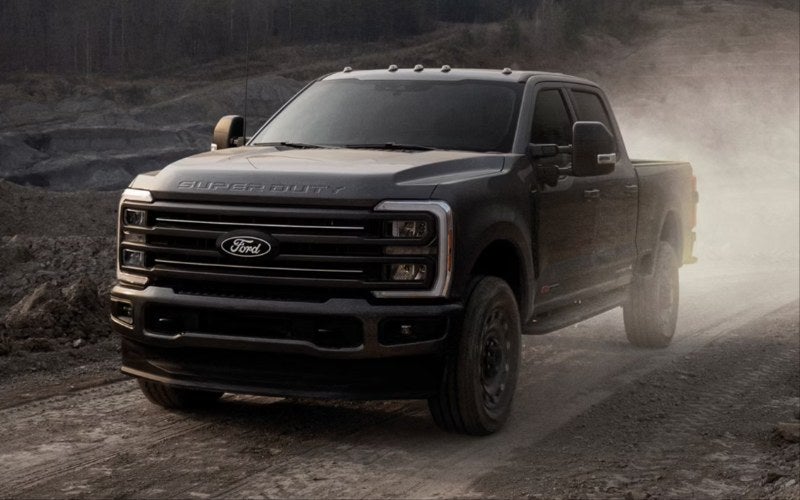
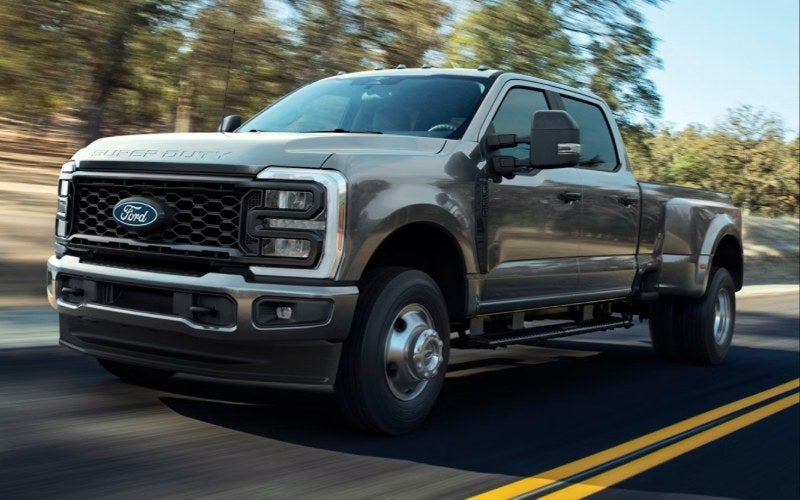
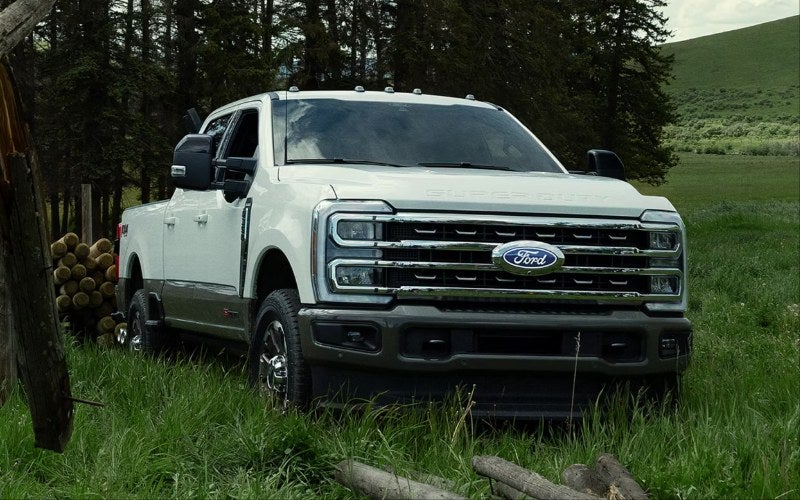
2027fordsuperdutyf-350-exterior-02
Why the 2027 Ford Super Duty F-350 XLT Fits Work and Towing Around Luck, WI

Don Johnson's Cumberland Motors - Why the 2027 Ford Super Duty F-350 XLT Fits Work and Towing Around Luck, WI

The 2027 Ford Super Duty® F-350® XLT has a clear purpose: give hardworking truck owners the strength of a heavy-duty pickup with the right level of comfort, technology, and convenience for frequent use. Around Luck, WI, that balance matters. A truck may need to tow equipment one day, carry building supplies the next, and still feel composed on a run toward nearby communities, rural properties, or lake cabins. The XLT trim is not the most basic version of the F-350, and it is not trying to be the most luxurious. Its appeal comes from being sensible, strong, and better equipped for daily ownership than a pure work truck, while still keeping the Super Duty® mission front and center.

For shoppers comparing heavy-duty trucks online, the XLT often becomes a smart stopping point because it adds meaningful features without losing the durable attitude that makes the F-350 so useful. It includes the standard 7.3L 2V DEVCT NA PFI V8 Gas engine on F-350 models, paired with a TorqShift® 10-speed automatic transmission. That combination gives owners a confident gas-powered foundation for towing, hauling, and routine work. For those who need greater pulling strength, the available 6.7L High-Output Power Stroke® V8 Turbo Diesel B20 engine opens the door to immense torque and higher towing capability when properly equipped. The key is choice. XLT buyers can configure the truck around the real work, not just the badge on the fender.

A Heavy-Duty Truck That Makes Sense Beyond the Jobsite

< p> Local area drivers often need a truck that can manage more than one role. A local contractor may tow a skid steer or enclosed trailer during the week, while a property owner may use the truck for firewood, landscaping materials, or maintaining acreage. The F-350 XLT fits that kind of mixed ownership because its capability is serious, but its comfort upgrades help the truck feel less utilitarian during everyday driving. Auto High-Beam Headlamps are a good example. This feature is simple, but useful on darker rural roads where lighting conditions change quickly. The available Remote Start System is another convenience that makes the truck feel easier to live with, especially when the truck is used early in the morning or after a long day.

The XLT also benefits from the Super Duty® platform's practical bed access design. Integrated box side and rear corner steps make it easier to reach cargo in the bed, which can save time when loading tools, bags of feed, hardware, or towing supplies. Heavy-duty trucks sit tall, and that height is useful for clearance and capability, but bed access matters in real life. Ford's approach helps make the truck more usable without requiring owners to climb awkwardly or constantly drop the tailgate for small items.

Powertrain Flexibility for Towing and Hauling

The standard 7.3L 2V DEVCT NA PFI V8 Gas engine is a major reason the XLT trim is so appealing. With 420 horsepower and 445 lb-ft of torque, it is built to handle demanding work while offering the simplicity many gas-engine buyers prefer. For drivers who tow frequently but do not always need maximum diesel output, the gas V8 can be a practical fit. It gives the F-350 XLT the muscle needed for utility trailers, equipment, materials, and personal hauling needs around Polk County roads.

For owners with heavier trailers, more frequent towing schedules, or higher demands, the available 6.7L High-Output Power Stroke® V8 Turbo Diesel B20 engine is the upgrade to study closely. This engine is rated at 500 horsepower and 1,200 lb-ft of torque, giving properly equipped Super Duty® trucks access to best-in-class available diesel torque. That is especially important for drivers who pull large campers, loaded gooseneck trailers, livestock trailers, or heavy equipment. The XLT does not limit a shopper to light-duty expectations. It offers a practical trim package with access to the serious hardware that makes a Super Duty® truck a long-term tool.

  • Standard engine: 7.3L 2V DEVCT NA PFI V8 Gas engine
  • Transmission: TorqShift® 10-speed automatic transmission
  • Available diesel: 6.7L High-Output Power Stroke® V8 Turbo Diesel B20 engine
  • Available drivetrain: 4x4 for added traction
  • Truck configuration: SRW or DRW depending on capability needs

Why XLT Is a Strong Trim for Practical Buyers

The best reason to consider the F-350 XLT is that it adds the right comfort and technology without drifting away from utility. Compared with the XL, the XLT feels more accommodating for drivers who spend substantial time in the cab. It is a truck that can serve a small business, a farm, a family property, or a recreational towing lifestyle. The available Super Duty Carhartt® Package also gives the XLT a distinct identity. It is designed around the kind of rugged durability associated with hardworking gear, making it a natural match for owners who want a truck that looks and feels ready for demanding use.

Technology is another reason the XLT deserves attention. The Super Duty® lineup offers available connected features through the Ford Connectivity Package, including an unlimited Wi-Fi® hotspot, Connected Navigation, YouTube streaming, Alexa Built-in, and more, with features varying by model. For a driver who uses the truck as a mobile office, connection matters. A pickup may be where calls are returned, routes are checked, schedules are reviewed, or jobsite notes are handled between stops. The XLT is positioned well for shoppers who want to keep their truck functional and modern without stepping into a luxury-first trim.

Towing Confidence for Local Roads and Regional Travel

Towing around Luck, WI can mean a wide range of tasks. Some owners need to pull equipment between rural parcels. Others tow campers, boats, or enclosed trailers toward nearby lakes and recreation areas. The F-350 XLT is attractive because it starts with a heavy-duty frame of mind, then allows buyers to add the equipment that fits their trailer. Available trailer brake controller support, available tow-focused technology, and the broader Super Duty® capability range help the truck feel prepared for more than casual towing. Properly equipped Super Duty® trucks offer best-in-class maximum available towing up to 40,000 lbs, though exact capacity depends on configuration, including engine, cab, drivetrain, axle ratio, payload, and towing packages.

That last point is important. Online shoppers should not select an F-350 based only on one headline number. The smartest approach is to match the truck to the actual trailer weight, cargo weight, passengers, hitch type, and driving conditions. A gooseneck livestock trailer, a fifth-wheel camper, and a conventional equipment trailer all ask different things from a truck. The XLT trim gives shoppers a strong platform for that decision because it can remain practical and value-focused while still being configured for serious towing.

  1. Identify trailer type: Conventional, fifth-wheel, or gooseneck towing changes the ideal setup.
  2. Estimate real loaded weight: Include cargo, tools, water, gear, and passengers.
  3. Choose the engine: Gas V8 for broad utility or available diesel for maximum torque demands.
  4. Review traction needs: Available 4x4 is valuable for gravel, worksites, and uneven access roads.
  5. Compare rear-wheel setup: SRW improves maneuverability, while DRW supports heavier-duty stability.

How the XLT Compares With Higher Trims

The Lariat® adds features such as PowerScope® trailer tow mirrors, a 360-Degree Camera, and access to the available Lariat Premium Package. King Ranch® brings Kingsville Antique Affect leather seats, trailer reverse guidance, and a head-up display. Platinum® adds premium convenience such as power deployable running boards and a power tailgate with a retractable tailgate step. Those trims are excellent for shoppers who want more luxury or advanced towing visibility. Still, the XLT remains compelling because it focuses on practical ownership. It gives drivers enough convenience to enjoy the truck daily, enough capability to take on demanding jobs, and enough configuration flexibility to become a long-term solution.

For many Luck-area buyers, that is the right formula. A heavy-duty truck should feel dependable first. The XLT keeps that identity intact while adding features that matter after the novelty wears off. It is the trim for shoppers who ask, "What will help me every week?" rather than, "What looks best on a spec sheet?" That makes it easy to recommend for owners who tow regularly, work from their truck, or need one vehicle that can handle business and personal responsibilities without feeling under-equipped.

Frequently Asked Questions:

Is the 2027 Ford Super Duty® F-350® XLT a good towing truck?

Yes. The F-350 XLT is a strong towing choice because it offers the standard 7.3L gas V8 and the available 6.7L High-Output Power Stroke® V8 Turbo Diesel B20 engine. Final towing capacity depends on configuration, so shoppers should match the truck to trailer type, hitch type, payload needs, and drivetrain.

Who should choose the XLT instead of the XL?

The XLT makes sense for drivers who want the strength of the F-350 platform with more comfort and convenience than the base trim. Auto High-Beam Headlamps, an available Remote Start System, and the available Super Duty Carhartt® Package make it more appealing for frequent daily use.

Is the available diesel engine worth considering?

It is worth considering if the truck will regularly tow heavy trailers, travel loaded, or need maximum torque. The available 6.7L High-Output Power Stroke® V8 Turbo Diesel B20 engine delivers serious pulling strength for properly equipped Super Duty® models.

For shoppers around Luck, WI, the 2027 Ford Super Duty® F-350® XLT stands out as a practical, capable, and well-rounded heavy-duty truck. It does not overcomplicate the buying decision, and it does not ask owners to sacrifice everyday comfort for real work strength. If the goal is a truck that can tow confidently, haul seriously, and still feel manageable for regular driving, the XLT deserves a close look.

*Image may not be actual model
Request more 2027 Ford Super Duty F-350 information

Posted in:

Related Posts

2027fordsuperdutyf-350-exterior-01

Should Shell Lake, WI Drivers Choose Single Rear Wheel or Dual Rear Wheel on a 2027 Ford Super Duty F-350?

Don Johnson's Cumberland Motors - Should Shell Lake, WI Drivers Choose Single Rear Wheel or Dual Rear Wheel on a 2027 Ford Super Duty F-350? Choosing between single rear wheel and dual rear wheel is one of the most important decisions shoppers make when configuring a 2027 Ford Super Duty® F-350® for towing, hauling, and everyday driving around Shell Lake, WI. Both setups can be excellent, but they serve different priorities. A single rear wheel truck has one wheel on each side of the rear axle, while a dual rear wheel truck has two wheels on each side of the rear axle. That difference affects stability, maneuverability, payload potential, towing confidence, parking feel, and how the truck fits into your daily routine. For many heavy-duty buyers, the best answer starts with how the truck will be used most often. If your F-350 needs to handle regular commuting, property maintenance, moderate trailers, and trips through town, single rear wheel may feel more natural. If the truck will spend more time pulling large trailers, carrying heavier payloads, or supporting business equipment, dual rear wheel capability may be the better match. The key is not simply choosing the most capable setup. It is choosing the setup that fits your actual work, trailer, roads, and comfort expectations. What Single Rear Wheel Does Well Single rear wheel, often called SRW, is the more maneuverable option. With one rear wheel on each side, the truck is narrower at the rear, which can make it easier to place in traffic, park at stores, pull into driveways, and navigate tighter roads around lakes, farms, shops, and residential areas. For drivers who use a heavy-duty truck every day, that extra maneuverability can matter a lot. SRW can also be a smart fit for drivers who tow light to moderate trailers and want a truck that feels less specialized. The 2027 Ford Super Duty® F-350® already brings serious strength to the table, especially with the standard 7.3L 2V DEVCT NA PFI V8 Gas engine or the available 6.7L High-Output Power Stroke® V8 Turbo Diesel B20 engine. If your towing needs fall within the rating of a properly equipped SRW truck, you may appreciate the simpler driving feel while still getting heavy-duty capability. Best for daily use: SRW is typically easier to maneuver, park, and drive in town. Best for moderate towing: It can be a strong choice when your trailer does not require maximum capacity. Best for narrower spaces: The rear width is easier to manage around garages, jobsite lanes, and tight driveways. Best for mixed ownership needs: It works well for drivers who need one truck for work, errands, family use, and towing. That said, SRW is not automatically the right choice for every buyer. If your trailer is large, tall, heavy, or frequently loaded close to maximum limits, the extra rear stability of a dual rear wheel setup can be worth serious consideration. Where Dual Rear Wheel Makes Sense Dual rear wheel, often called DRW, is built for heavier work. The extra rear wheels create a wider footprint, which can improve stability while towing and hauling. That added stability is especially useful with large trailers, higher tongue or pin weights, and heavy cargo in the bed. DRW can also support higher towing and payload capacity, depending on the complete truck configuration. For Shell Lake-area drivers pulling larger campers, equipment trailers, enclosed work trailers, livestock trailers, or gooseneck setups, DRW can provide a more planted feel. The rear end is designed to distribute weight more effectively, and that can help the truck feel more composed when the load is substantial. When properly equipped, the 2027 Ford Super Duty® lineup offers outstanding maximum available towing and payload ratings, and DRW is often part of the conversation when shoppers want to access the highest levels of capability. Best for heavy towing: DRW is ideal for drivers who tow large trailers often. Best for added stability: The wider rear stance helps the truck feel more settled under substantial loads. Best for payload confidence: Dual rear wheels can support demanding hauling needs when properly configured. Best for commercial use: DRW is often preferred by contractors, agricultural operators, and businesses with frequent heavy loads. The tradeoff is that a DRW truck is wider and may require more awareness in tight places. Drivers should consider parking, storage, garage access, trailer storage areas, and the types of roads used most often. If your truck frequently travels through narrow lanes, crowded lots, or tight work areas, that extra width should be part of the decision. How Engine Choice Fits the Decision The 2027 Ford Super Duty® F-350® offers two strong engine paths. The standard 7.3L 2V DEVCT NA PFI V8 Gas engine is rated at 420 horsepower and 445 lb-ft of torque, giving drivers confident gas V8 capability across F-350 models. The available 6.7L High-Output Power Stroke® V8 Turbo Diesel B20 engine raises the performance ceiling with 500 horsepower and 1,200 lb-ft of torque, making it a compelling option for heavier towing needs. Engine choice and rear wheel configuration should be considered together. A buyer choosing the available high-output diesel for frequent heavy trailering may also want to evaluate DRW for its stability advantages. A buyer choosing the gas V8 for mixed daily use, property work, and moderate towing may find SRW to be the more balanced fit. Neither decision exists in isolation. Cab size, bed length, drivetrain, axle ratio, hitch type, payload, and towing equipment all influence the right configuration. Questions to Ask Before Choosing Before deciding between SRW and DRW, it helps to write down how the truck will really be used. The right answer becomes much clearer when you think beyond maximum numbers and focus on your regular driving pattern. What trailer do you tow most often: Include loaded weight, hitch type, length, height, and how frequently you tow. How much payload do you carry: Add passengers, tools, fuel tanks, bed cargo, and trailer pin or tongue weight. Where do you drive every week: Consider town driving, rural roads, jobsite access, driveways, and parking areas. How often do you tow near capacity: Occasional towing may point one direction, while frequent heavy towing may point another. How long will you keep the truck: Future trailer upgrades or business growth may justify choosing more capability now. These questions make the shopping process more productive. Rather than guessing, you can compare specific F-350 configurations against your actual trailer and payload needs. Our Ford team can help review the details and guide you toward a setup that feels right both on paper and on the road. Technology That Helps Either Setup Whether you choose SRW or DRW, the 2027 Ford Super Duty® F-350® offers available technology that can make heavy-duty driving easier. Available systems such as the 360-Degree Camera can provide a bird's-eye view around the truck while parking or maneuvering. Available trailer reverse guidance can help when backing with a trailer. Tow/Haul mode adjusts transmission behavior for heavy loads and enhances engine braking on descents. Available PowerScope® trailer tow mirrors improve side visibility when towing wider trailers. Inside, available features such as a 12-inch center display with SYNC® 4, available head-up display, Connected Navigation, and Ford Co-Pilot360® 2.0 technology help make the F-350 feel modern and functional. A heavy-duty truck should work hard, but it should also help the driver stay informed, comfortable, and confident. Frequently Asked Questions: Is single rear wheel enough for towing with a 2027 Ford Super Duty® F-350®? It can be, depending on your trailer, payload, and truck configuration. SRW is often a strong choice for moderate towing and drivers who want easier everyday maneuverability. Always compare your loaded trailer weight and payload needs against the specific truck's ratings. When should I choose dual rear wheel? DRW is best when you regularly tow or haul heavy loads, especially with large campers, gooseneck trailers, 5th wheel trailers, equipment trailers, or commercial payloads. The extra rear wheels improve stability and weight distribution. Does DRW make the truck harder to drive every day? DRW can require more care in narrow spaces because the rear of the truck is wider. Many drivers adapt quickly, but parking, garage access, and tight lanes should be considered before choosing it for everyday use. Should I test drive both SRW and DRW? Yes. If both options are on your shopping list, driving each one is the best way to compare steering feel, visibility, parking confidence, and comfort. A test drive can clarify what works best for your Shell Lake, WI, driving routine. The best 2027 Ford Super Duty® F-350® configuration is the one that matches your real workload. SRW gives you heavy-duty strength with easier daily maneuverability. DRW adds stability and capacity for more demanding towing and hauling. If your truck needs to do a little of everything, SRW may be ideal. If your truck needs to handle serious trailer weight often, DRW deserves a close look. With the right guidance, the choice becomes less complicated and far more confidence-inspiring. Request more 2027 Ford Super Duty F-350 information

2027fordsuperdutyf-350-exterior-02

Why the 2027 Ford Super Duty F-350 Lariat® Makes Sense for Rice Lake, WI Towing

Don Johnson's Cumberland Motors - Why the 2027 Ford Super Duty F-350 Lariat® Makes Sense for Rice Lake, WI Towing For shoppers around Rice Lake, WI, the right heavy-duty truck has to do more than post impressive numbers. It needs to feel confident with a trailer, manageable around town, useful on job days, and comfortable enough for the miles between work, home, and recreation. That is why the 2027 Ford Super Duty F-350 Lariat® deserves a close look. It sits in a sweet spot within the lineup, offering meaningful towing technology and cabin comfort while keeping the focus on capability. Don Johnson's Cumberland Motors can help shoppers compare configurations, engines, cab styles, and trailering needs with a practical mindset, especially for drivers near Rice Lake, Almena, and Clear Lake, WI, who may use one truck for business, property maintenance, and family travel. The Lariat® trim matters because it adds equipment that helps with the moments heavy-duty owners actually notice. PowerScope® trailer tow mirrors make a large difference when towing wider loads. The 360-Degree Camera helps when positioning the truck near a trailer, backing around buildings, or navigating tight areas where visibility matters. Available diesel power brings serious strength for shoppers who tow heavier equipment or large campers, while the standard 7.3L 2V DEVCT NA PFI V8 Gas engine remains a strong choice for drivers who want proven gas V8 muscle. Instead of feeling like a luxury trim with capability added later, the Lariat® feels like a capable truck that became smarter, more comfortable, and easier to use. A Balanced Trim for Real Heavy-Duty Use The Super Duty® F-350® Lariat® is especially compelling because it avoids the extremes. Some shoppers want a stripped-down work truck. Others want a premium flagship. The Lariat® fits the middle by adding equipment that improves everyday ownership without losing sight of why someone chooses an F-350 in the first place. This is still a serious heavy-duty pickup with available 4x4, available dual rear wheel capability depending on configuration, and access to the 6.7L High-Output Power Stroke® V8 Turbo Diesel B20 engine. When properly equipped, the Super Duty lineup can reach best-in-class maximum available gooseneck towing up to 40,000 lbs, maximum available fifth-wheel towing up to 35,000 lbs, and maximum available conventional towing up to 30,000 lbs. That capability matters around Rice Lake because drivers often ask a truck to do several jobs in one week. A contractor may haul materials during the day and tow a trailer after hours. A property owner may move equipment, firewood, supplies, or a boat. A camper owner may need highway stability and confidence when traveling beyond Barron County. The Lariat® supports those use cases with technology that makes the truck easier to place, easier to connect, and easier to live with when the trailer is not attached. Why the Lariat® Towing Technology Stands Out Towing confidence starts with power, but it is not only about power. Visibility, alignment, braking support, and driver awareness all matter. The Lariat® helps with PowerScope® trailer tow mirrors, which are designed for wider rearward views when hauling. The 360-Degree Camera adds another layer of awareness, giving the driver a clearer sense of what surrounds the truck. For anyone who has tried to maneuver a long pickup near a shop door, storage building, boat landing, or trailer coupler, that added visibility can save time and reduce frustration. PowerScope® trailer tow mirrors: Helpful for viewing around wider trailers and equipment. 360-Degree Camera: Useful for parking, hitching, and low-speed maneuvering. Available Tow/Haul mode: Helps optimize shift points and engine braking under load. Available diesel torque: Supports heavier towing with strong low-rpm pulling power. Tow/Haul mode is another feature worth understanding. It is engineered to adjust transmission behavior when the truck is carrying weight or pulling a trailer. By holding gears longer and helping with engine braking on descents, Tow/Haul mode can make towing feel more composed. That is valuable on rolling rural routes, highway ramps, and areas where frequent speed changes come with a loaded trailer. Gas V8 or Available High-Output Diesel? The standard 7.3L 2V DEVCT NA PFI V8 Gas engine gives the F-350 Lariat® a strong foundation. With 420 horsepower and 445 lb-ft of torque, it is a practical fit for shoppers who tow moderate loads, haul payload, and prefer gas-engine simplicity. For many owners, this engine will handle work trailers, materials, recreational equipment, and general heavy-duty use with confidence. It also pairs with the TorqShift® 10-speed automatic transmission, which helps keep power delivery smooth across changing loads and road speeds. The available 6.7L High-Output Power Stroke® V8 Turbo Diesel B20 engine is the choice for shoppers who expect heavier, more frequent towing. Its 500 horsepower and 1,200 lb-ft of torque create the kind of low-end muscle that matters when launching a heavy trailer, climbing grades, or maintaining composure with substantial weight attached. If your plans include a large fifth-wheel camper, gooseneck trailer, heavy equipment, or repeated long-distance towing, the diesel engine deserves serious consideration. The right answer depends on trailer weight, payload needs, annual mileage, and how often the truck will work near maximum capability. Comfort That Supports Long Workdays A heavy-duty truck cabin is more important than many shoppers first realize. The F-350 Lariat® is likely to spend time as an office, tow vehicle, family hauler, and road-trip companion. The available Lariat Premium Package helps raise the sense of comfort and productivity, while the broader Super Duty interior design focuses on creating a useful command center. Features such as the available 12" center display with SYNC® 4, available Connected Navigation through the Ford Connectivity Package, and available driver-assist features through Ford Co-Pilot360® 2.0 technology help make the truck feel modern and organized. That matters for business owners and active households alike. A driver may need navigation to a jobsite, connectivity between stops, and camera support when loading or parking. The interior work surface shown in the Super Duty lineup also reflects a practical design philosophy: this truck is not just for getting to the work; it is part of how the work gets done. The Lariat® trim is well positioned because it gives shoppers access to comfort and technology without making the vehicle feel too delicate for demanding use. How to Decide if the Lariat® Is Right for You Choosing the right F-350 Lariat® configuration should start with honest questions about towing, payload, passengers, and space. A Crew Cab may be ideal for family use or a work crew. An 8' bed may be valuable for materials and certain towing setups. Available 4x4 can be important for rural driveways, gravel access, and unpaved worksites. Single rear wheel and dual rear wheel configurations also deserve careful thought, since dual rear wheel setups can provide greater stability and higher capacity for heavy towing, while single rear wheel trucks can feel easier to maneuver day-to-day. List your heaviest trailer: Include loaded weight, hitch type, and tongue or pin weight. Define passenger needs: Choose cab style based on people, tools, and interior storage. Compare bed length: Match cargo space to materials, gear, and towing preferences. Choose gas or diesel: Base the decision on towing frequency and load size. Review camera and mirror needs: Prioritize visibility if towing is part of normal use. For many Rice Lake-area shoppers, the Lariat® is the trim that turns heavy-duty capability into an easier ownership experience. It does not ask drivers to sacrifice comfort for strength, and it does not bury important towing tools behind the highest trim level. It offers a confident path for buyers who want to tow seriously, work efficiently, and still enjoy a refined cabin at the end of a long day. Frequently Asked Questions: Is the 2027 Ford Super Duty F-350 Lariat® good for fifth-wheel towing? Yes. When properly equipped, the Super Duty lineup offers maximum available fifth-wheel towing up to 35,000 lbs. Exact capability depends on engine, drivetrain, cab, axle ratio, wheel configuration, and other equipment, so shoppers should match the truck to the trailer before making a final decision. What engine comes standard on the F-350 Lariat®? The 2027 Ford Super Duty F-350 Lariat® comes standard with the 7.3L 2V DEVCT NA PFI V8 Gas engine paired with the TorqShift® 10-speed automatic transmission. The 6.7L High-Output Power Stroke® V8 Turbo Diesel B20 engine is available. Why choose Lariat® instead of XLT? The Lariat® adds trailering and visibility advantages such as PowerScope® trailer tow mirrors and the 360-Degree Camera. It is a strong choice for shoppers who tow often and want added comfort, technology, and confidence without moving into the King Ranch® or Platinum® trims. *Image may not be actual model Request more 2027 Ford Super Duty F-350 information

2027fordsuperdutyf-350-exterior-03

Can the 2027 Ford Super Duty F-350 Tow Heavy Equipment Around Rice Lake, WI?

Don Johnson's Cumberland Motors - Can the 2027 Ford Super Duty F-350 Tow Heavy Equipment Around Rice Lake, WI? Heavy-duty truck shoppers around Rice Lake, WI, often need a clear answer before moving deeper into the buying process: can the 2027 Ford Super Duty® F-350® handle the kind of equipment, trailers, and payload demands that come with real work? The answer depends on configuration, but Ford gives the Super Duty® lineup serious capability to work with, including best-in-class maximum available towing of up to 40,000 lbs when properly equipped and best-in-class maximum available payload of up to 7,900 lbs when properly equipped. That capability matters for contractors, farmers, landscapers, property owners, and recreational haulers who need more than a light-duty pickup. The F-350® is designed for people who think in terms of trailer type, tongue weight, axle ratio, bed length, cargo load, passenger count, and daily usability. Don Johnson's Cumberland Motors helps shoppers compare these details in a way that connects the truck’s specifications to the jobs and routes they actually face while serving Turtle Lake, Rice Lake, and Almena, WI. Why Configuration Matters for Heavy Equipment Towing The Super Duty® F-350® is not a one-size-fits-all truck. It can be configured in many ways, and those choices directly affect towing capacity. Ford notes that maximum towing depends on cab size, engine type, drivetrain, axle ratio, Gross Combined Weight Rating, payload capacity, accessories, and towing-related equipment. In everyday terms, two F-350® trucks may look similar from across a parking lot, but their real towing numbers can be very different. For shoppers pulling skid steers, compact tractors, construction materials, livestock trailers, large boats, or enclosed equipment trailers, the key is to begin with the trailer and work backward. Know the loaded trailer weight, not just the empty trailer rating. Add attachments, fuel, tools, spare parts, cargo, passengers, and any bed-mounted equipment. Once the real-world load is clear, it becomes much easier to choose the engine, hitch setup, wheel configuration, and package content that fit the job. Gas or Diesel: Which Engine Fits the Job? The standard 7.3L 2V DEVCT NA PFI V8 Gas engine is a strong choice for many owners. Ford lists this engine at 420 horsepower at 5,350 rpm and 445 lb-ft of torque at 4,250 rpm. It is standard on F-350® XL, XLT, Lariat®, King Ranch®, and Platinum® models, giving shoppers a powerful foundation across the lineup. For many businesses and personal-use buyers, the gas V8 offers the right balance of capability and simplicity, especially when payload is a major priority. The available 6.7L High-Output Power Stroke® V8 Turbo Diesel B20 engine is built for shoppers who regularly tow heavy. Ford lists this engine at 500 horsepower at 2,600 rpm and 1,200 lb-ft of torque at 1,600 rpm. That low-rpm torque is especially helpful when pulling a heavy trailer from a stop, climbing grades, or maintaining confidence with a substantial load. When properly equipped, the diesel engine helps support the Super Duty® lineup’s top available gooseneck towing capacity of up to 40,000 lbs. Choose gas when: Your work emphasizes payload, moderate towing, daily driving, or a straightforward heavy-duty setup. Choose diesel when: You tow near the upper range of capability, pull frequently, or need maximum torque for demanding loads. Compare both when: Your needs overlap between heavy payload and heavy towing, because configuration details can influence the better fit. After narrowing the engine, the next step is understanding hitch type. Ford lists maximum available towing by setup: gooseneck up to 40,000 lbs, 5th wheel up to 35,000 lbs, and conventional towing up to 30,000 lbs when properly equipped. This is why buyers should not rely only on a single maximum number. The trailer connection style is just as important as the engine. Single Rear Wheel or Dual Rear Wheel Another major decision is single rear wheel versus dual rear wheel. Ford explains that single rear wheel models have one wheel on each side of the rear axle and are well suited for light to moderate towing and everyday driving because they offer better maneuverability. Dual rear wheel models place two wheels on each side of the rear axle and are ideal for heavy-duty towing and hauling due to greater stability, higher towing and payload capacity, and improved weight distribution. For a shopper using the truck around town, at job sites, and on narrower roads, single rear wheel may feel easier to live with. For a buyer who regularly pulls heavy gooseneck or 5th wheel trailers, dual rear wheel capability can provide added confidence. This is not just about maximum capacity; it is also about how stable the truck feels while managing side loads, trailer movement, and uneven surfaces. Technology That Helps When Towing Modern Super Duty® towing is not only about engine output. Ford offers helpful available technology designed to make big-truck tasks more manageable. Available PowerScope® trailer tow mirrors can improve rearward visibility, while available LED sideview-mirror spotlights and security approach lamps add practical lighting around the vehicle. Available trailer reverse guidance can help when backing a trailer, and the available 360-Degree Camera provides a bird’s-eye view that can be useful in tight spaces. Tow/Haul mode is another important tool. Ford describes it as a drive setting engineered to optimize vehicle performance and control when carrying heavy loads or pulling a trailer. It adjusts transmission shift points, helps prevent gear hunting, supports strong acceleration when climbing grades, and enhances engine braking on descents. For drivers moving equipment across changing terrain, those adjustments can make the truck feel more composed. Visibility support: Available PowerScope® trailer tow mirrors and camera views help drivers monitor surroundings. Backing assistance: Available trailer reverse guidance can support more confident trailer maneuvering. Control under load: Tow/Haul mode helps the transmission and engine braking respond to towing demands. Cab information: Available head-up display and SYNC® 4 with a 12" center display help keep key information accessible. Beyond trailering, the F-350® also supports work after the tow is complete. Available Pro Power Onboard™ - 2 kW can supply power through in-bed outlets, which is useful for certain tools or equipment away from a fixed power source. Integrated box side and rear corner steps make it easier to access the bed when loading, securing, or retrieving cargo. How to Prepare Before You Shop Before comparing trims, gather the facts that determine your ideal truck. Bring the loaded weight of your trailer, the type of hitch you use, your expected bed cargo, and the number of passengers typically riding with you. If you tow multiple trailers, document each one. A truck that fits your largest regular load may be different from one selected around an occasional lighter trailer. Confirm trailer weight: Use the loaded weight, including equipment, attachments, fuel, and cargo. Identify hitch type: Gooseneck, 5th wheel, and conventional towing each have different maximum available ratings. Estimate payload: Include passengers, tools, bed cargo, upfits, and trailer tongue or pin weight. Choose maneuverability needs: Decide whether single rear wheel or dual rear wheel better fits your parking, road, and jobsite conditions. List technology priorities: Note whether camera systems, mirrors, connectivity, and driver-assist features are must-have equipment. With those details ready, the shopping process becomes much more productive. Instead of asking whether an F-350® can tow, you can ask which F-350® configuration is best suited for your specific trailer and workload. That is the difference between buying a capable truck and buying the right capable truck. Frequently Asked Questions: What is the highest available towing capacity for the 2027 Super Duty®? Ford lists the highest maximum available towing capacity at up to 40,000 lbs with gooseneck towing when properly equipped. The lineup also lists up to 35,000 lbs for 5th wheel towing and up to 30,000 lbs for conventional towing when properly equipped. Is the available diesel engine necessary for towing heavy equipment? Not always, but the available 6.7L High-Output Power Stroke® V8 Turbo Diesel B20 engine is the better fit for frequent heavy towing and maximum available capability. Its 1,200 lb-ft of torque at 1,600 rpm is especially valuable for demanding trailer work. Should I choose dual rear wheel for heavy towing? Dual rear wheel models are often preferred for heavy-duty towing because they can provide greater stability, improved weight distribution, and higher towing and payload capacity. Single rear wheel models may be easier to maneuver for lighter or more mixed-use needs. What should I bring when discussing towing needs? Bring trailer weight, hitch type, payload estimates, passenger count, and details about any cargo or equipment you carry in the bed. These details help match the truck configuration to your actual use instead of relying on broad estimates. The 2027 Ford Super Duty® F-350® is built for shoppers who need confidence, but the best results come from matching the truck to the job. With the right engine, hitch setup, wheel configuration, cab, bed, and technology, the F-350® can be a powerful partner for heavy equipment towing around Rice Lake and the surrounding area. Request more 2027 Ford Super Duty F-350 information