

Don Johnson's Cumberland Motors - Should Shell Lake, WI Drivers Choose Single Rear Wheel or Dual Rear Wheel on a 2027 Ford Super Duty F-350?
Choosing between single rear wheel and dual rear wheel is one of the most important decisions shoppers make when configuring a 2027 Ford Super Duty® F-350® for towing, hauling, and everyday driving around Shell Lake, WI. Both setups can be excellent, but they serve different priorities. A single rear wheel truck has one wheel on each side of the rear axle, while a dual rear wheel truck has two wheels on each side of the rear axle. That difference affects stability, maneuverability, payload potential, towing confidence, parking feel, and how the truck fits into your daily routine.
For many heavy-duty buyers, the best answer starts with how the truck will be used most often. If your F-350 needs to handle regular commuting, property maintenance, moderate trailers, and trips through town, single rear wheel may feel more natural. If the truck will spend more time pulling large trailers, carrying heavier payloads, or supporting business equipment, dual rear wheel capability may be the better match. The key is not simply choosing the most capable setup. It is choosing the setup that fits your actual work, trailer, roads, and comfort expectations.
What Single Rear Wheel Does Well
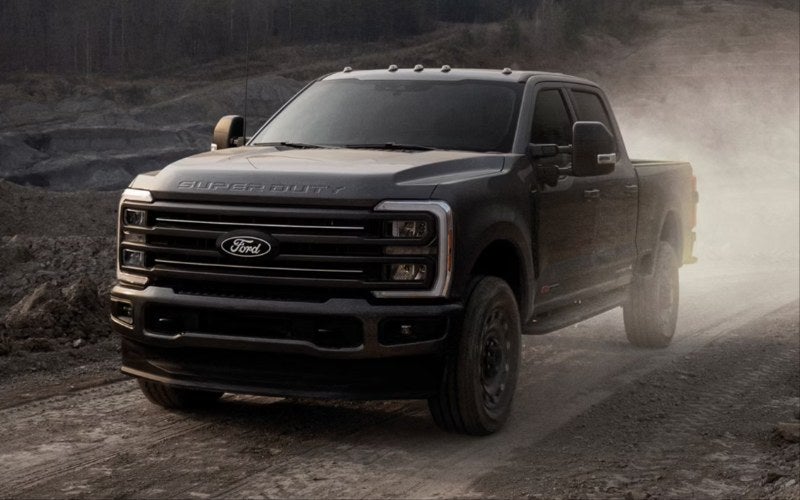
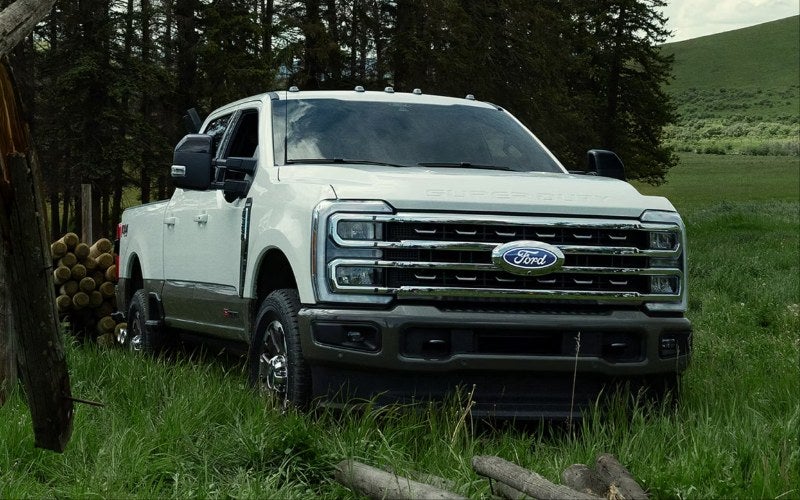
Single rear wheel, often called SRW, is the more maneuverable option. With one rear wheel on each side, the truck is narrower at the rear, which can make it easier to place in traffic, park at stores, pull into driveways, and navigate tighter roads around lakes, farms, shops, and residential areas. For drivers who use a heavy-duty truck every day, that extra maneuverability can matter a lot.
SRW can also be a smart fit for drivers who tow light to moderate trailers and want a truck that feels less specialized. The 2027 Ford Super Duty® F-350® already brings serious strength to the table, especially with the standard 7.3L 2V DEVCT NA PFI V8 Gas engine or the available 6.7L High-Output Power Stroke® V8 Turbo Diesel B20 engine. If your towing needs fall within the rating of a properly equipped SRW truck, you may appreciate the simpler driving feel while still getting heavy-duty capability.
- Best for daily use: SRW is typically easier to maneuver, park, and drive in town.
- Best for moderate towing: It can be a strong choice when your trailer does not require maximum capacity.
- Best for narrower spaces: The rear width is easier to manage around garages, jobsite lanes, and tight driveways.
- Best for mixed ownership needs: It works well for drivers who need one truck for work, errands, family use, and towing.
That said, SRW is not automatically the right choice for every buyer. If your trailer is large, tall, heavy, or frequently loaded close to maximum limits, the extra rear stability of a dual rear wheel setup can be worth serious consideration.
Where Dual Rear Wheel Makes Sense
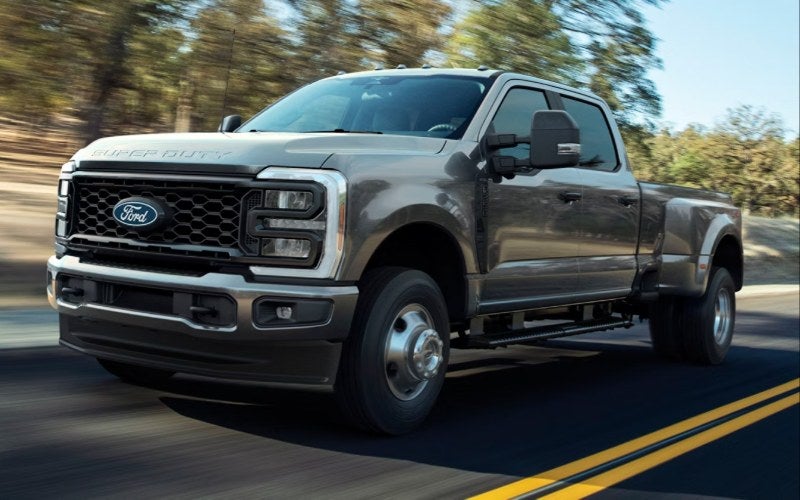
Dual rear wheel, often called DRW, is built for heavier work. The extra rear wheels create a wider footprint, which can improve stability while towing and hauling. That added stability is especially useful with large trailers, higher tongue or pin weights, and heavy cargo in the bed. DRW can also support higher towing and payload capacity, depending on the complete truck configuration.
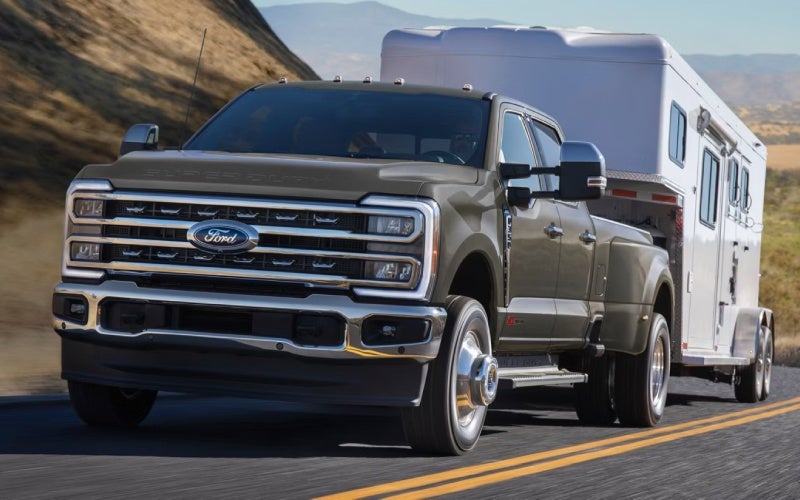
For Shell Lake-area drivers pulling larger campers, equipment trailers, enclosed work trailers, livestock trailers, or gooseneck setups, DRW can provide a more planted feel. The rear end is designed to distribute weight more effectively, and that can help the truck feel more composed when the load is substantial. When properly equipped, the 2027 Ford Super Duty® lineup offers outstanding maximum available towing and payload ratings, and DRW is often part of the conversation when shoppers want to access the highest levels of capability.
- Best for heavy towing: DRW is ideal for drivers who tow large trailers often.
- Best for added stability: The wider rear stance helps the truck feel more settled under substantial loads.
- Best for payload confidence: Dual rear wheels can support demanding hauling needs when properly configured.
- Best for commercial use: DRW is often preferred by contractors, agricultural operators, and businesses with frequent heavy loads.
The tradeoff is that a DRW truck is wider and may require more awareness in tight places. Drivers should consider parking, storage, garage access, trailer storage areas, and the types of roads used most often. If your truck frequently travels through narrow lanes, crowded lots, or tight work areas, that extra width should be part of the decision.
How Engine Choice Fits the Decision
The 2027 Ford Super Duty® F-350® offers two strong engine paths. The standard 7.3L 2V DEVCT NA PFI V8 Gas engine is rated at 420 horsepower and 445 lb-ft of torque, giving drivers confident gas V8 capability across F-350 models. The available 6.7L High-Output Power Stroke® V8 Turbo Diesel B20 engine raises the performance ceiling with 500 horsepower and 1,200 lb-ft of torque, making it a compelling option for heavier towing needs.
Engine choice and rear wheel configuration should be considered together. A buyer choosing the available high-output diesel for frequent heavy trailering may also want to evaluate DRW for its stability advantages. A buyer choosing the gas V8 for mixed daily use, property work, and moderate towing may find SRW to be the more balanced fit. Neither decision exists in isolation. Cab size, bed length, drivetrain, axle ratio, hitch type, payload, and towing equipment all influence the right configuration.
Questions to Ask Before Choosing
Before deciding between SRW and DRW, it helps to write down how the truck will really be used. The right answer becomes much clearer when you think beyond maximum numbers and focus on your regular driving pattern.
- What trailer do you tow most often: Include loaded weight, hitch type, length, height, and how frequently you tow.
- How much payload do you carry: Add passengers, tools, fuel tanks, bed cargo, and trailer pin or tongue weight.
- Where do you drive every week: Consider town driving, rural roads, jobsite access, driveways, and parking areas.
- How often do you tow near capacity: Occasional towing may point one direction, while frequent heavy towing may point another.
- How long will you keep the truck: Future trailer upgrades or business growth may justify choosing more capability now.
These questions make the shopping process more productive. Rather than guessing, you can compare specific F-350 configurations against your actual trailer and payload needs. Our Ford team can help review the details and guide you toward a setup that feels right both on paper and on the road.
Technology That Helps Either Setup
Whether you choose SRW or DRW, the 2027 Ford Super Duty® F-350® offers available technology that can make heavy-duty driving easier. Available systems such as the 360-Degree Camera can provide a bird's-eye view around the truck while parking or maneuvering. Available trailer reverse guidance can help when backing with a trailer. Tow/Haul mode adjusts transmission behavior for heavy loads and enhances engine braking on descents. Available PowerScope® trailer tow mirrors improve side visibility when towing wider trailers.
Inside, available features such as a 12-inch center display with SYNC® 4, available head-up display, Connected Navigation, and Ford Co-Pilot360® 2.0 technology help make the F-350 feel modern and functional. A heavy-duty truck should work hard, but it should also help the driver stay informed, comfortable, and confident.
Frequently Asked Questions:
Is single rear wheel enough for towing with a 2027 Ford Super Duty® F-350®?
It can be, depending on your trailer, payload, and truck configuration. SRW is often a strong choice for moderate towing and drivers who want easier everyday maneuverability. Always compare your loaded trailer weight and payload needs against the specific truck's ratings.
When should I choose dual rear wheel?
DRW is best when you regularly tow or haul heavy loads, especially with large campers, gooseneck trailers, 5th wheel trailers, equipment trailers, or commercial payloads. The extra rear wheels improve stability and weight distribution.
Does DRW make the truck harder to drive every day?
DRW can require more care in narrow spaces because the rear of the truck is wider. Many drivers adapt quickly, but parking, garage access, and tight lanes should be considered before choosing it for everyday use.
Should I test drive both SRW and DRW?
Yes. If both options are on your shopping list, driving each one is the best way to compare steering feel, visibility, parking confidence, and comfort. A test drive can clarify what works best for your Shell Lake, WI, driving routine.
The best 2027 Ford Super Duty® F-350® configuration is the one that matches your real workload. SRW gives you heavy-duty strength with easier daily maneuverability. DRW adds stability and capacity for more demanding towing and hauling. If your truck needs to do a little of everything, SRW may be ideal. If your truck needs to handle serious trailer weight often, DRW deserves a close look. With the right guidance, the choice becomes less complicated and far more confidence-inspiring.