
Don Johnson’s Cumberland Motors – Which truck tows better around Rice Lake, WI — the 2026 Ford F-150 or 2026 Toyota Tundra?
If you’re comparing the two most popular full-size pickups for hard work and weekend duty, towing capacity quickly becomes the make-or-break factor. Both the Ford and Toyota bring confidence, but their approaches and ceilings are different enough to influence your decision. This guide takes a practical angle—how these trucks handle the real routines around Rice Lake, WI, including hauling building materials across county roads, launching boats at public ramps, and pulling campers to trailheads where paved roads give way to gravel. We’ll unpack how the hardware fits those scenarios, what numbers actually mean at the hitch, and where onboard tech can make you a better, calmer driver when the trailer is behind you.
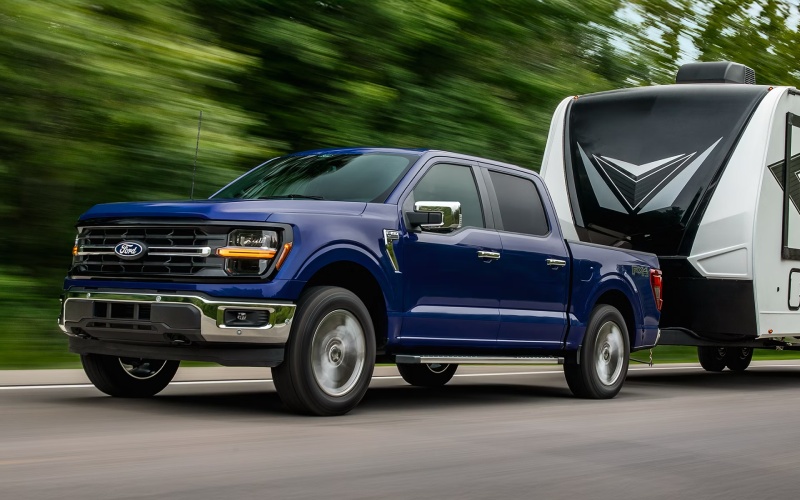
On paper, the 2026 F-150’s max available 13,500-pound tow rating leads the segment, while the 2026 Tundra tops out at 12,000 pounds. That extra margin matters more than you might think. Two identical trailers can feel very different depending on grade, wind, and your load-out. The F-150’s broader engine lineup—including the 3.5L EcoBoost V6 with the top tow figure, the 5.0L Ti-VCT V8, and the 3.5L PowerBoost Full Hybrid V6—lets you match torque and cooling packages more precisely to your needs. Toyota counters with twin-turbo V6 power either in i-FORCE or i-FORCE MAX Hybrid form, both torquey and responsive, but the range of towing-focused configurations is narrower. The upshot: if you want maximum headroom or plan to grow into heavier gear, Ford gives you more runway.
How each truck supports the driver when towing
Confidence comes down to what you see and how the truck reacts to inputs when loaded. The F-150’s available 360-Degree Camera and Pro Trailer Backup Assist work hand-in-glove to simplify hitching and precision backing. Point the knob the way you want the trailer to go and the system helps steer—ideal for crowded launch areas or angling a camper beside a garage. Toyota’s Trailer Backup Guide with Straight Path Assist offers similar assistance to keep the trailer composed while backing in a straight line, a great help for newer towers. Both trucks support integrated trailer brake controllers and have selectable Tow/Haul modes to adjust shift mapping and throttle for better control.
Beyond backing and hitching aids, the Ford leans into stability and stamina. Available BlueCruise hands-free driving can reduce fatigue on compatible highways, especially useful if you’re towing a camper past Ladysmith on a longer run and just want to relax your shoulders a bit while staying engaged. Toyota’s lane-centering assistance supports you too, but it’s not hands-free. When road shoulders narrow and the turn-around area is tight, Ford’s Pro Access Tailgate can swing open even with a trailer connected—bringing you closer to the hitch, chains, and rear cargo. It’s a small detail until the moment you need it.
Payload, tongue weight, and why numbers matter in the real world
Tow ratings get headlines, but payload can quietly limit what you haul. The F-150’s max available 2,440-pound payload gives you breathing room for passengers, cargo in the bed, and tongue weight—typically 10 percent of trailer weight for conventional hitches. If you’re towing a 9,000-pound boat and trailer, plan on roughly 900 pounds of tongue weight before you’ve added coolers, recovery gear, or that new toolbox. With Tundra’s 1,850-pound max payload, it’s still workable—just be more mindful of how quickly you approach limits. Both brands publish detailed towing guides that factor cab style, bed length, axle ratio, and packages. Your best move is to identify your heaviest likely trailer, then choose a configuration that leaves a margin above it for hills, headwinds, and future upgrades.
For weekenders who tow a pair of side-by-sides, a smaller fishing boat, or a medium camping trailer, both trucks will feel composed provided you’ve matched the configuration to the load. If you expect to graduate to a larger cabin cruiser or a heavier enclosed work trailer in the next few years, Ford’s higher ceiling is the practical pick. It’s not just raw numbers; the F-150’s breadth of options—gearing, cooling, and suspension—makes it easier to optimize for what you really tow.
Powertrain choices and how they translate to towing
Turbocharged engines shine when towing because they make torque low in the rev range. That’s why both trucks lean on turbo V6 power. Ford’s 3.5L EcoBoost V6 has long been a towing favorite—broad torque, little drama on grades, and stout cooling options when equipped right. The 5.0L V8 offers a different flavor—linear power and robust engine braking feel—while the PowerBoost Hybrid V6 blends torque with quiet starts and a calm demeanor in parking lots. Toyota’s i-FORCE MAX Hybrid is similarly strong and smooth under load. The key difference isn’t capability so much as choice: Ford lets you pick your preferred feel and tow package with a wider range of trims and bed-cab combinations.
If your towing includes jobsite power needs, Ford’s available Pro Power Onboard turns the truck into a rolling generator. Run saws, chargers, or a compact air compressor right at the trailer. That same capability is great at the campsite—string lights, cooktops, or an air pump without lugging a separate generator. Toyota offers convenient outlets but not the same high-output generator-style functionality. It’s a quality-of-life advantage that quickly becomes indispensable.
Setup tips for smoother towing around town and beyond
Whichever truck you choose, a well-sorted setup pays dividends. Confirm your hitch class matches the load and set your weight-distribution hitch if required. Calibrate trailer brake gain in an empty parking lot and verify all lighting. Check tire pressures—truck and trailer—because a few PSI off can affect stability. And take five minutes to walk the route to your favorite launch or campsite, looking for tight turns or uneven surfaces that might call for a spotter. These common-sense steps, combined with the right factory towing technology, turn towing from a chore into something you do with calm, repeatable competence.
One final note: real-world towing rarely happens in perfect conditions. Wind, grades, and imperfect surfaces all chip away at margin. That’s why so many local owners prefer the Ford—when the math gets messy, having extra capability in reserve keeps the day on track. If you’d like to run through your specific trailer weights and gear list, the team at Don Johnson’s Cumberland Motors can help you land on the right configuration and demonstrate the trailering tech that will make your first hookup feel natural.
Frequently Asked Questions:
Can both trucks handle a 10,000-pound travel trailer around Rice Lake, WI?
Yes. Properly configured, each truck can tow 10,000 pounds. The F-150’s higher 13,500-pound ceiling simply gives you more margin for hills, headwinds, and added cargo, which can make a noticeable difference in overall stability and peace of mind.
Which has better trailering tech for backing into tight spaces?
Both offer excellent camera systems. Ford’s Pro Trailer Backup Assist lets you steer the trailer with a control knob—ideal for angled driveways or tight launch ramps—while Toyota’s Trailer Backup Guide with Straight Path Assist helps you hold a straighter line during reverse.
Do I need a hybrid for towing, or is a gas engine better?
Either works well. Hybrids offer strong low-end torque and a quiet demeanor in low-speed maneuvers, while gas engines like Ford’s 5.0L V8 provide linear power delivery and familiar engine braking feel. Your choice comes down to preferred driving character and the exact loads you pull.
What about power at the campsite or jobsite?
Ford’s available Pro Power Onboard stands out. It can run tools, lights, and cooking gear directly from the truck without a separate generator. Toyota provides helpful outlets, but not the same generator-style capability.
Ready to compare configurations in person and map your setup to the loads you tow most? Visit our showroom in Cumberland—serving Turtle Lake, Rice Lake, and Almena—and take a closer look at towing tech, camera views, and hitching aids. When your truck and trailer are dialed in, every trip feels easier.
Request more 2026 Ford F-150 information
Connect with us


